Glass flake caking is the formation of clumps that no longer separate or flow readily. Two key causes during transport and storage are compression and moisture exposure. To reduce the risk, combine PE-lined chemical packaging bags, multi-layer plywood pallet boxes, desiccants inside the packaging, external stretch film, and a dry, ventilated warehouse.
Why do glass flakes cake? Compression and moisture
Compression: excessive loads compact the flakes
Glass flakes can become tightly packed when bags carry excessive stacking loads or are squeezed during handling. Transport vibration can further settle the material. Uneven support, over-tightened straps, and heavy loads resting directly on bags increase localized pressure, making the flakes harder to discharge and disperse.
Moisture: damp surfaces encourage clumping
Damaged liners, poorly closed bag mouths, humid air, and condensation can introduce moisture into the package. Water on particle surfaces can increase adhesion between flakes and promote agglomeration. Glass does not need to dissolve for damp particles to stick together. The response depends on the grade, surface treatment, and exposure conditions.
Compression and moisture can act together, so packaging should address both. These mechanisms are consistent with general bulk-powder handling principles described in AIChE's Prevent Caking of Bulk Solids; the appropriate controls still need to be checked for the specific glass flake grade and shipment.
1. Use chemical packaging bags with PE inner liners
Pack glass flakes in bags intended for chemical raw materials, with an intact polyethylene (PE) plastic inner liner. The outer bag provides handling protection, while the PE liner forms the inner moisture barrier around the flakes.
Keep liners clean and dry, check for punctures, and close each liner using the packaging supplier's specified sealing method. Closing only the outer bag leaves the inner protection incomplete. Seal the liner promptly after filling and reseal partially used bags immediately after removing material.
PE reduces moisture ingress, but performance depends on film thickness, seal quality, and storage duration. Specify the liner for the actual transport and storage conditions.
2. Use multi-layer plywood pallet boxes to reduce compression
Use a pallet and protective box made from multi-layer plywood to support the bags and reduce direct squeezing during handling and transport. A properly designed base, sides, and lid help distribute external loads through the packaging structure instead of concentrating them on individual bags.
Keep bags within the pallet footprint and use a flat, stable loading arrangement. Confirm the box's load rating and permitted stacking arrangement with the packaging supplier. A plywood pallet alone does not remove the weight of bags stacked above one another, and a protective box should never be treated as permission for unlimited stacking.
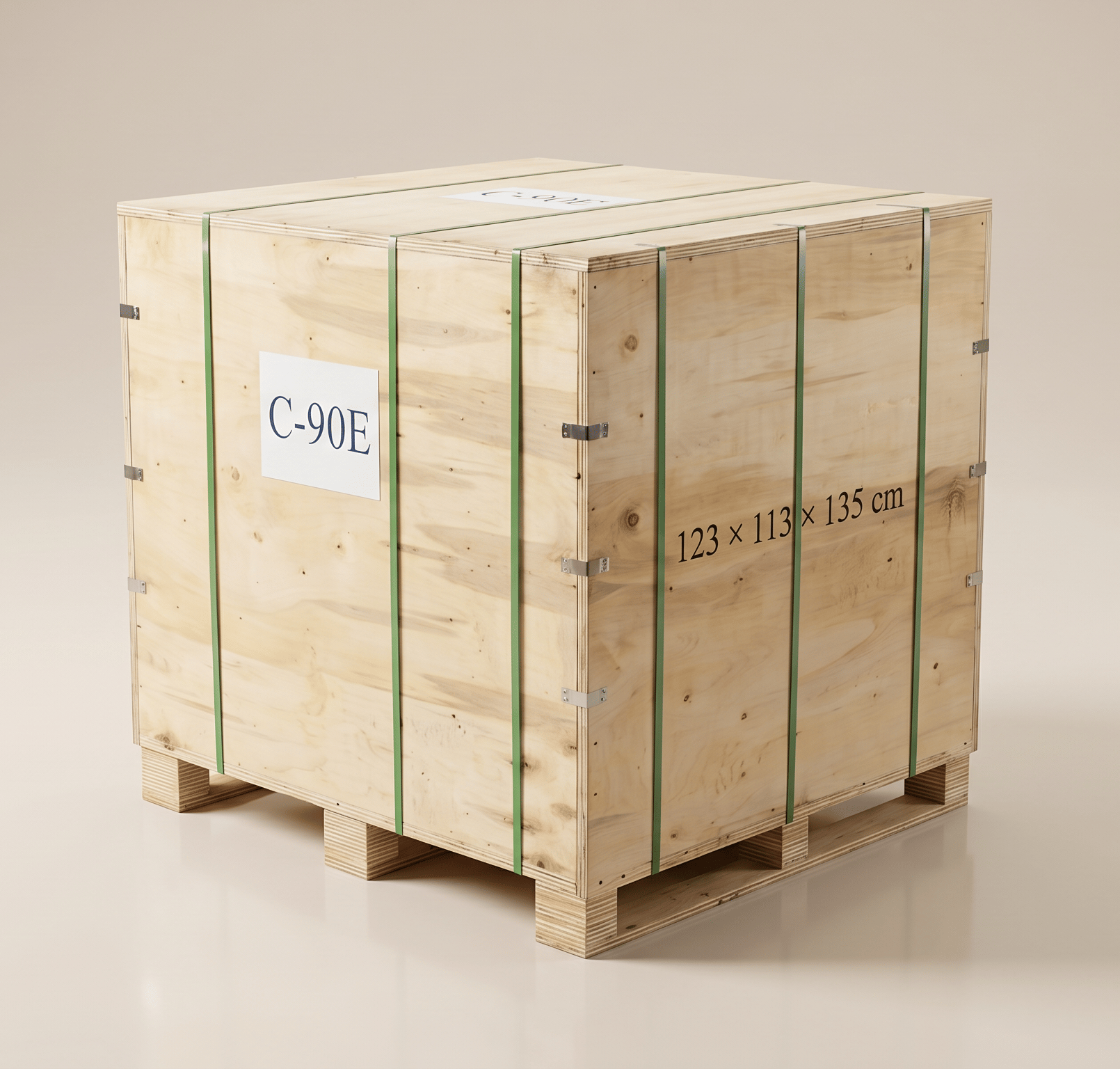
3. Place desiccants inside the pallet packaging to absorb moisture
Place suitable, intact desiccant sachets inside the enclosed pallet packaging, outside the sealed product bags. They help capture moisture in the surrounding package air. Secure the sachets so they cannot be crushed, spill, or contaminate the glass flakes.
Select the desiccant and quantity for the enclosed volume, packaging permeability, humidity, and shipping or storage duration. Install fresh sachets just before closing the package. Desiccants have finite capacity; they cannot compensate for wet bags or packaging left open to humid air.
For longer transport routes, account for condensation as well as ambient humidity. Clariant's cargo-desiccant guidance explains how moisture control helps limit condensation during shipping. Pallet-level desiccants complement the sealed PE liners; they do not directly dry material inside a closed product bag.
4. Wrap the outside of the pallet with stretch film
Apply stretch film around the completed pallet package to add external protection against moisture exposure and help secure the load. Use overlapping wraps, protect vulnerable corners, and inspect the finished wrapping for tears and uncovered areas. Set the wrapping tension to secure the box without deforming it or squeezing the bags.
Ordinary stretch film is not a hermetic water-vapor barrier: moisture can pass through the film and gaps. R-Tech Solutions' packaging guidance highlights this limitation of pallet wrap. Treat stretch film as an additional protective layer alongside the PE liners, desiccants, and dry storage.
5. Store glass flake pallets in a dry, ventilated environment
Keep glass flake pallets indoors in a dry, well-ventilated warehouse, away from rain, leaking roofs, wet floors, and damp walls. Maintain space around pallets for inspection and airflow. Follow the supplier's stacking limits and keep the original packaging closed until the material is needed.
Ventilation helps only when it does not introduce wetter air. In humid conditions, monitor warehouse humidity and use dehumidification where needed. Avoid opening cold packages immediately in warm, humid air; allow them to approach the room temperature while sealed to reduce condensation risk.
Use first-in, first-out stock rotation and inspect stored pallets regularly. Follow grade-specific storage instructions rather than assuming a universal humidity limit or shelf life for all glass flakes.
Receiving and storage checklist
- Check PE liners and bag closures for tears, punctures, or dampness.
- Inspect the plywood base, box, straps, and stacking arrangement for crushing or uneven loads.
- Confirm that desiccants are intact, correctly positioned, and suitable for the shipment.
- Check the external stretch film and repair damaged protection before storage.
- Record the batch number and store pallets in a dry, ventilated location.
- Set aside wet or hard-caked bags for supplier review before adding them to production.
Good storage supports predictable feeding and dispersion. For downstream application checks, read our guide to preventing spray nozzle clogging in glass flake coatings and review the glass flake technical data sheet.
Frequently asked questions
Why do glass flakes form lumps during storage?
Two key causes are compression and moisture exposure. Stacking loads can compact the flakes, while moisture on particle surfaces can encourage them to stick together. Check both the load on the bags and the condition of the moisture-protective packaging when investigating caking.
Is stretch film alone enough to prevent glass flake caking?
No. Stretch film adds external protection and helps keep a pallet load together, but ordinary pallet wrap is not a hermetic water-vapor barrier. Use it together with properly closed PE inner bags, a protective plywood pallet box, suitable desiccants, and dry storage.
Where should desiccants be placed in a glass flake pallet?
Secure intact desiccant sachets inside the enclosed pallet packaging, outside the sealed glass flake bags. Keep them separated from the product and protected from crushing or leakage. Select the type and quantity for the packaging volume, moisture barrier, shipping duration, and expected humidity.
Can caked glass flakes still be used in a coating?
Do not assume that a caked batch is ready for use. Isolate affected bags, record the batch number and packaging condition, and consult the supplier. Check moisture, particle condition, and dispersion against your acceptance criteria before release; drying or aggressive crushing may affect surface treatment or flake dimensions.